
Hello SHC Blog

Dr. Chenelle Grant, DNP, FNP-BC, AAHIVS
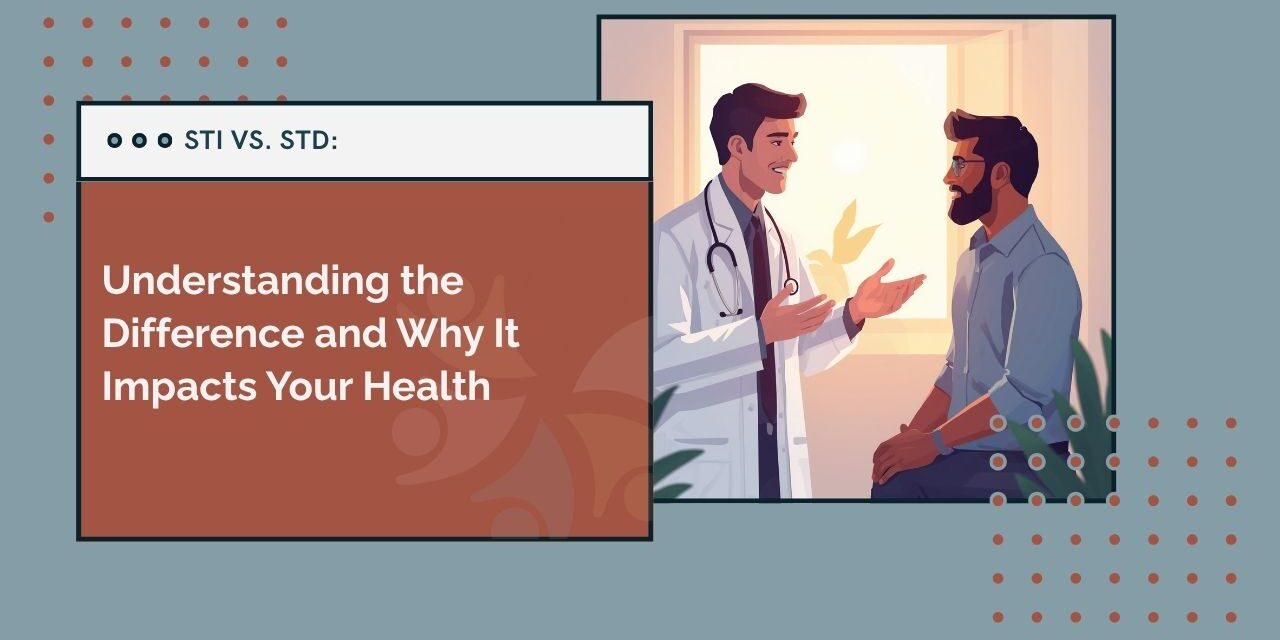
The terms STI and STD are often used interchangeably, but understanding the distinction helps clarify why testing matters — even when you feel fine.
What Is an STI?
An STI (Sexually Transmitted Infection) occurs when a virus, bacteria, or parasite enters the body through sexual contact.
Many STIs cause no immediate symptoms.
What Is an STD?
An STD (Sexually Transmitted Disease) develops when that infection begins to cause symptoms or complications.
All STDs begin as STIs — but not all STIs become symptomatic.
This is why waiting for symptoms is a risky strategy.
Common STIs We Screen For
- Chlamydia
- Gonorrhea
- Syphilis
- HIV
- Hepatitis B
- Hepatitis C
- HPV
- Herpes
Many of these infections are entirely treatable — and some are preventable.
The Cost of Delayed Testing
Untreated infections can lead to:
- Pelvic inflammatory disease
- Infertility
- Chronic pain
- Liver disease
- Increased HIV transmission risk
- Cancer (HPV-related)
Routine screening is not about fear. It’s about foresight.
Our Approach at Simple Healthcare
We provide:
- Risk-based screening recommendations
- Clear explanation of results
- Immediate treatment planning
- Partner therapy guidance
- Ongoing follow-up
We do not send lab results without support. Care continues after diagnosis.
Support Access to Testing
Your donation helps expand affordable and confidential STI screening for underserved populations and individuals hesitant to seek care.
When testing is accessible, transmission decreases.
When education is accessible, stigma decreases.
Be part of the solution.
Visit our website for more information: www.helloshc.com
You can book a visit online for a telehealth or an in person visit.
#STI #STDTesting #LongIslandHealth #SimpleHealthcare #ConfidentialTesting #HIVPrevention